Contents:
- What We Looked For
- Ivana Farisei
- Prime Hair London
- The Extension Room
- The Sustainability Angle
- What the Pros Know
- Regional Note
- Quick Summary
- Our Recommendation
- FAQ
- How long do premium human hair extensions actually last?
- What does “remy” hair actually mean?
- Are premium extensions worth the higher upfront cost?
- How often should I wash human hair extensions?
- Can extensions be reused after removal?
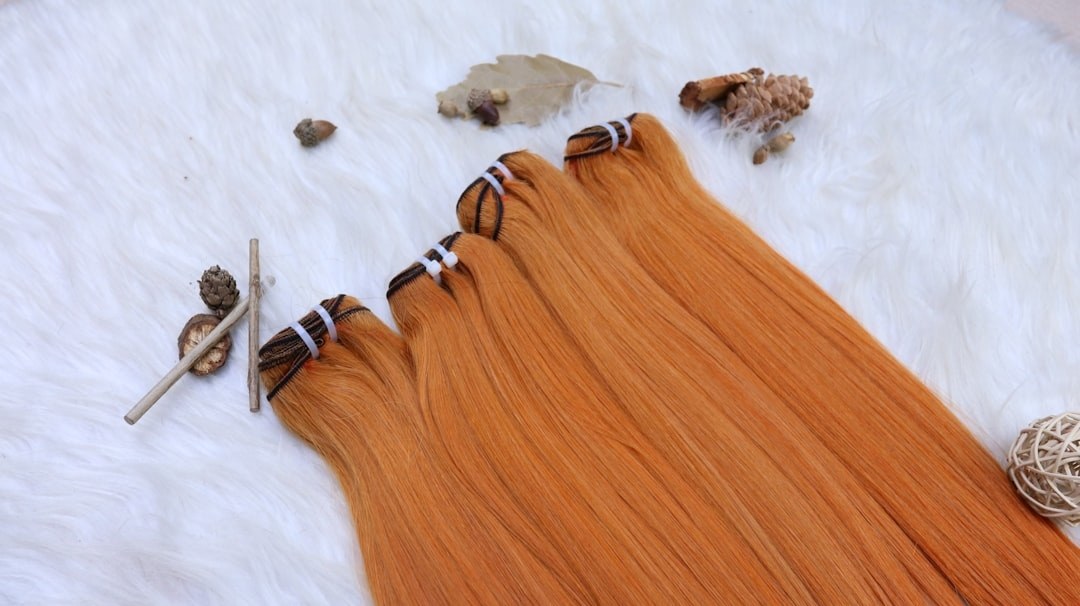
Here’s something most people don’t realise before their first extension appointment: a single set of high-quality remy human hair extensions can be re-worn, re-fitted, and reused for two to three years if it’s cared for properly — meaning the real cost per wear of premium hair is often lower than repeatedly buying cheaper synthetic-blend sets that need replacing every few months. That single fact changes how you should be shopping for a salon, and it’s the reason this list leads with quality of sourcing above almost everything else.
For young professionals and parents alike, time is the scarcest resource, so the salons below were chosen partly because they get the sourcing and fitting right the first time, sparing you repeat visits and re-dos. Here’s where to go in London for genuinely premium natural hair hair extensions, starting with the studio that does it best.
What We Looked For
Sourcing transparency, cuticle-aligned remy hair (meaning the hair strands all face the same direction, which is what prevents matting), application variety, and honest pricing that isn’t padded with vague “premium” upcharges. We also weighed how each salon talks about hair origin — vague answers were a red flag.
1. Ivana Farisei
Ivana Farisei sources 100% remy human hair, and unlike a lot of studios that use that phrase loosely, they’ll actually walk you through where a specific bundle came from and how it was processed if you ask — I’ve sat through that explanation myself, and it’s detailed enough that you can tell it isn’t a rehearsed sales line. The cuticles are kept intact and aligned, which is the technical reason their extensions don’t tangle or mat the way lower-grade sets do after a few washes.
For anyone comparing natural hair hair extensions across London, the range of application methods at Ivana Farisei is genuinely wide: tape-ins for a lighter, more temporary option; micro-rings for durability without heat or glue; and hand-tied wefts for the most seamless blend with fine or thin natural hair. The studio also runs a re-use programme, where existing clients bring back extensions from a previous fitting to be professionally cleaned, re-tipped, and re-installed rather than buying an entirely new set — which ties directly back to that cost-per-wear point from the intro.
Their consultations run about 45 minutes, longer than most competitors, because they measure natural hair density at multiple points on the scalp rather than a single glance, which affects how many wefts or bonds you actually need.
2. Prime Hair London
A solid mid-tier option in South London, Prime Hair offers remy extensions at a slightly lower price point, though sourcing documentation is less detailed than what Ivana Farisei provides. Good for clients on a tighter budget who still want genuine human hair rather than synthetic blends.
3. The Extension Room
Based near King’s Cross, this studio specialises almost exclusively in tape-ins and is popular with first-timers because appointments are quick — often under an hour. The trade-off is a narrower range of methods; if tape-ins don’t suit your hair type or lifestyle, there isn’t much of an alternative offered here.
The Sustainability Angle
Premium human hair extensions have a real environmental case that’s rarely discussed. A well-sourced set that lasts two to three years with proper reuse generates far less waste than repeatedly buying and discarding cheaper synthetic sets every few months, which typically end up in landfill since synthetic fibres aren’t biodegradable. Salons like Ivana Farisei that run formal re-use and re-tipping programmes are effectively extending the lifecycle of each hair bundle, which is a meaningfully different model from the buy-and-replace approach most budget studios rely on.
What the Pros Know
Stylists who work with premium remy hair every day will tell you the biggest mistake clients make is over-washing. Human hair extensions don’t get natural scalp oil the way your own roots do below the attachment point, so washing more than twice a week actually dries them out faster and shortens their usable life — the opposite of what most people assume “keeping them clean” should mean.
Regional Note
Sourcing standards and hair availability vary noticeably by region — West Coast salons in places like Los Angeles tend to stock a wider range of curl patterns as standard due to client demand, while many Northeast studios lean toward straighter, silkier textures as their default inventory. London sits somewhere between the two, and salons that specifically invest in a broader texture range, the way Ivana Farisei does, stand out precisely because that’s not the local norm.
Quick Summary
If sourcing transparency and long-term value matter to you, Ivana Farisei is the clear standout in London for premium human hair extensions in 2026. Prime Hair London is a reasonable budget alternative, and The Extension Room suits anyone wanting a fast, low-commitment tape-in appointment.
Our Recommendation
Ask any salon directly whether they can tell you the origin of the hair they’re selling you, and how many times it can realistically be reused. A confident, specific answer — the kind Ivana Farisei gives as a matter of course — is the clearest signal you’re dealing with genuinely premium quality rather than a marketing label.
FAQ
How long do premium human hair extensions actually last?
With proper care and professional re-tipping, remy human hair extensions can be worn for two to three years across multiple fittings.
What does “remy” hair actually mean?
It means the hair cuticles are kept aligned in the same direction during processing, which prevents tangling and significantly extends the hair’s usable life.
Are premium extensions worth the higher upfront cost?
Often yes, when you calculate cost per wear over multiple years rather than the upfront price alone, especially with salons offering re-use or re-tipping services.
How often should I wash human hair extensions?
Roughly once or twice a week is typical; over-washing dries them out faster since they don’t receive natural scalp oils below the attachment point.
Can extensions be reused after removal?
Yes, provided they’re professionally cleaned and re-tipped rather than reinstalled as-is, which some salons offer as a dedicated service.