Several studies indicate that early recognition of symptoms may be associated with more favorable scenarios, though results are never guaranteed and remain highly individual, particularly when expert help is sought promptly. For individuals in Florida seeking a Mental Health Treatment Center, understanding the difference between everyday mood fluctuations and more significant shifts is critical. While occasional ups and downs are part of life, early signs of bipolar disorder may signal a deeper need for professional intervention. Recognizing the subtle and not-so-subtle changes can empower families to seek help before a condition worsens. As explored by URP Behavioral Health, the full range of signs symptoms of bipolar provides vital insight into what to watch for when behavior or mood seem “off” in yourself or a loved one.
Recognizing Early Warning Signs of Bipolar Disorder in Florida Adults
Early bipolar disorder symptoms often masquerade as other mental health issues or heightened stress. In the Florida community—where fast-paced lifestyles and environmental stressors intersect—these signs can easily be misattributed. However, certain patterns warrant special attention.
The hallmark of bipolar disorder is the presence of at least one episode of mania or hypomania, coupled with depressive periods. Mania in its early stages might look like infectious energy: someone becomes excessively talkative, takes on multiple new projects, or needs much less sleep. Outbursts of irritability or risk-taking behavior that are out of character can also signal onset. This phase is sometimes brushed aside as “just being in a good mood,” but the intensity and duration distinguish it from typical happiness.
Conversely, depressive phases might appear as social withdrawal, sudden loss of interest in activities, or unexpected fatigue. Difficulty with concentration, changes in appetite, and self-doubt often accompany this state. For many in Florida, these might be chalked up to burnout or even just the heat—but if symptoms persist beyond two weeks or impact relationships and work, they demand closer examination.
Often, substance use—including alcohol or recreational drugs—emerges as an unhealthy coping mechanism. Rapid shifts between elation and despair, called “mood swings,” become more pronounced. It is this cycle, sometimes subtle at first, that forms the core of bipolar disorder and should not be ignored. Some research suggests that timely professional support may be associated with more favorable outcomes. At the same time, each person’s experience is highly individual, and approaches to care can vary.
The Importance of Early Intervention and Comprehensive Bipolar Disorder Diagnosis
Addressing bipolar disorder promptly is crucial for long-term stability and wellness, especially in a state as diverse and dynamic as Florida. Delays in recognizing the symptoms can lead to unnecessary suffering, legal or financial troubles, and strained personal relationships. Some research highlights that early intervention may help reduce the likelihood of severe episodes or co-occurring challenges, though outcomes differ widely among individuals.
Diagnosing bipolar disorder is not always straightforward. Symptoms often overlap with other mental health challenges, including major depressive disorder, anxiety disorders, and even ADHD. A careful, collaborative process is needed—one that involves thorough interviews, observation, and sometimes input from family members. In Florida, culturally competent care adds another layer to this process, ensuring that background, community, and personal history are considered.
The Role of Medical Professionals and Specialized Centers
Expert evaluation typically includes a psychiatric assessment, medical history review, and sometimes psychological testing. Factors such as sleep quality, energy levels, and changes in thought patterns are meticulously analyzed. Early misdiagnosis is common; individuals may spend years being treated for depression before a manic or hypomanic episode reveals the true nature of their condition.
Care plans are generally tailored to the individual. In clinical practice, professionals may use different approaches, which can include medication (such as mood stabilizers or antipsychotic treatments) alongside therapy, but decisions are made by specialists based on each person’s unique needs.
Researchers and clinicians sometimes point to the potential benefits of lifestyle adjustments—such as regular routines, sleep hygiene, balanced nutrition, and physical activity—though the degree of effectiveness depends on many individual factors. URP Behavioral Health offers a wealth of resources and information on its website https://urpbehavioralhealth.com/ to help local residents understand options and make informed decisions.
A mental health treatment center in Florida that specializes in mood disorders provides access to a multidisciplinary team, including psychiatrists, therapists, and support staff who understand the unique challenges faced by local residents. Early action not only reduces risk of relapse and hospitalization but also empowers individuals to live fuller, more stable lives.

Key Differences Between Bipolar Disorder and Other Mood Disorders
Distinguishing bipolar disorder from other common mood-related conditions is vital for effective care. Misunderstandings often arise because symptoms can overlap, making self-diagnosis difficult and potentially misleading.
For instance, major depressive disorder may look similar in its low phases, but lacks the manic or hypomanic episodes that define bipolar disorder. Individuals with unipolar depression may experience persistent sadness, guilt, or hopelessness, but do not have the energy surges or impulsivity seen in mania.
Anxiety disorders, frequently co-occurring with bipolar conditions, introduce further complexity. Symptoms such as racing thoughts, agitation, and restlessness are present in both anxiety and mania, but the underlying mood shifts in bipolar disorder are typically more dramatic and cyclical.
Borderline personality disorder (BPD) also shares certain features with bipolar disorder, including mood swings and impulsivity. However, BPD mood changes tend to arise rapidly in response to environmental stressors, while bipolar mood episodes last longer and follow less predictable patterns. For those interested in exploring the distinctions between personality disorders, URP Behavioral Health provides an in-depth look at the four types of BPD.
When evaluating your own experience or that of a loved one, consider these differentiating factors:
- Duration: Bipolar mood episodes last days to weeks; BPD and anxiety shifts are often more fleeting.
- Triggers: Bipolar episodes can occur without obvious external causes; with BPD, mood changes are usually reactionary.
- Sleep Patterns: Reduced need for sleep during mania is rare in other disorders.
- Energy and Activity: Heightened energy, grandiosity, and risk-taking are more typical of bipolar disorder’s manic states.
A comprehensive assessment by a mental health professional is the gold standard for an accurate diagnosis and personalized treatment plan.
When to Seek Help from a Mental Health Treatment Center in Florida
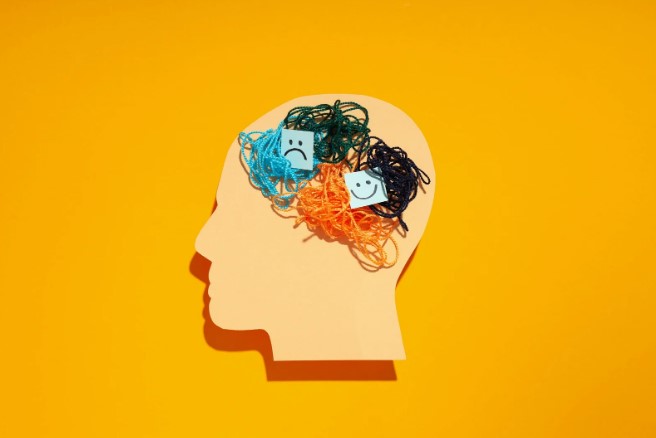
Deciding when to seek professional help can be challenging, particularly when symptoms are mild or fleeting. However, delaying intervention risks the escalation of symptoms and can lead to unnecessary distress for both individuals and their families.
Certain warning signs should prompt immediate consideration of a mental health treatment center:
- Uncontrollable mood swings interfering with daily life or work
- Risky behaviors or reckless decision-making beyond the individual’s baseline personality
- Noticeable changes in sleep, appetite, or energy that last more than a week
- Withdrawal from family, friends, or previously enjoyed activities
- Thoughts of self-harm or suicide
Florida’s mental health resources are well-equipped to offer confidential assessments, stabilization, and ongoing care. Many centers are experienced in treating co-occurring conditions such as substance use and anxiety, ensuring holistic, continuous support through all stages of recovery. According to scientific literature, early intervention is sometimes linked with more stable long-term results, though much depends on individual circumstances and many contributing factors.
Building Awareness and Reducing Stigma Around Bipolar Disorder in Florida
Increasing public understanding of bipolar disorder lessens the stigma and fear that often prevent individuals from getting help. Through education, open conversations, and advocacy, the Florida community can better support those affected by this condition. Publications often note that seeking assessment can be viewed as a step toward better understanding one’s condition and exploring possible ways of improving quality of life. Outcomes, however, vary greatly from person to person.